
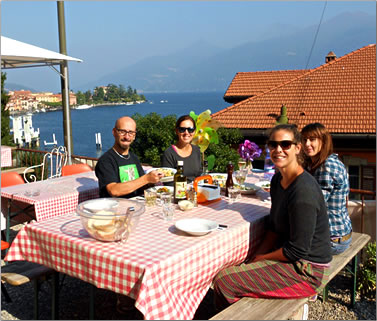
In addition to great food, Menaggio Youth Hostel on Italy’s Lake Como offers sailing, cooking and language learning classes. Credit: Menaggio Youth Hostel


In decades past, hostel food has been associated more with white bread and bad coffee than with anything that would qualify as high quality cuisine, with or without cultural overtones. The presumption has always been that traveling on a budget means sacrificing quality. As long as a hostel is well located, safe, and free of bed bugs, what more could a budget traveler ask? A lot more, according to The Daily Meal’s recent research. An increasing number of hostels around the world are setting the bar high for hostel dining and they are out to prove it with a new list of the best.
To determine the top 20, this online food site consulted over 50 different hostels in more than 25 countries to choose and rank lodgings based on their overall quality (emphasis on communal dining), price, extras (such as classes and tours), and the food’s relationship with the local culture. It also reached out to major hostel review sites for their feedback. We have showcased eight of the hostels on the list, but readers may view all 20 by clicking on The Daily Meal’s complete 2013 article.
Green Tortoise Hostel in San Francisco
Green Tortoise Hostel has been providing healthy meals to its guests since 1974. Says Lyle Kent, president of Green Tortoise Adventure Travel, “Cooking and eating … offer more than just a satisfied appetite but a social experience as well.” The hostel provides a hearty and healthy free breakfast every day of organic oatmeal and fresh fruit, and free dinner three times per week including dishes like pasta primavera and Thai curry.

Credit: Green Tortoise Hostel
Villa Saint Exupéry in Nice, France
Villa Saint Exupéry is located within a converted monastery and filled with art from the likes of Chagall and Monet, but the real draw is the food: Recent specials at the hostel’s restaurant included chili lime salmon with minted couscous, stir fry vegetables, and chicken with pomme de terre purée and honey roasted carrots.

Credit: Villa Saint Exupéry
Kex Hostel in Reykjavik, Iceland
Kex Hostel is a new, modern concept that inserts luxury standards into the hostel experience. Their onsite café is no exception. Explains food and beverage manager Ólafur Ágústsson, “It’s very important for us to serve food which is super tasty, super simple and super local.” Their seasonally-changing menu might include fresh fish, lamb, or vegetarian dishes. Many of their meals are prepared to pair well with their selection of beers.

Credit: Flickr, M’sieur Rico
Betel Box in Singapore
Like any good hostel, Betel Box offers free breakfast and a fully equipped kitchen. Betel Box also offers free food tours to its guests of the surrounding Joo Chiat neighborhood, a district known for its outstanding cuisine. The tours last anywhere from three to twelve hours, and during one record-breaking tour participants consumed a total of thirty-six dishes. Be prepared to be overfed with dishes like curry puffs, durian, or chili crab.

Credit: Betel Box
Oasis Hostel in Granada. Spain
Located in Granda’s historic Albaicín disrict, Oasis Hostel welcomes backpackers with a complimentary drink and breakfast. Even better are the tapas tours held each Tuesday and Thursday, where guests are guided through a visit of the best bars in one of the last cities in Spain where the tapas are still free.

Credit: Oasis Hostel
Mosquito Hostel in Krakow, Poland
Along with the price of your stay, Mosquito Hostel in Krakow includes free breakfast and dinner. It’s not homemade perogis – think spaghetti and hot dogs – but the portions are hearty and, as to be expected with any good Eastern European host, vodka is poured on the weekends.
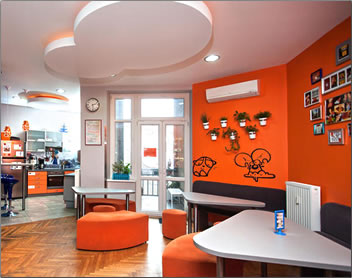
Credit: Mosquito Hotel
Hostel Nari-Nari, Marrakech, Morocco
Visitors to Hostel Nari-Nari in Marrakech rave about the delicious free breakfast which includes an assortment of breads and “honey to die for”. Moroccan cooking classes are available to guests for an additional price, and there’s plenty of mint tea on hand to make you feel like a local.

Credit: Hostel Nari-Nari
Menaggio Youth Hostel on Lake Como, Italy
Breakfast is included in Menaggio Youth Hostel, but you can also enjoy lunch and dinner (think bruschetta, pizzas, and salads) at the hostel’s restaurant, which overlooks Lake Como. For further cultural immersion, you can learn to cook Italian cuisine yourself at one of the hostel’s cooking classes.

Credit: Menaggio Youth Hostel
The Daily Meal’s team canvasses the world for the best food and drink experiences at all levels, around the table, at home or on the road. Harvesting the delicious and discarding the mundane, reporting is always laced with a sense of fun and curiosity. For those who consider cuisine to be an important element of vacationing (and conversation!), see more Daily Meal reports on their website, www.thedailymeal.com.

Rick Steves, www.ricksteves.com, is a U.S.-based expert on low cost travel in Europe with his enthusiastic followers usually middle aged and beyond. He says. “Europe’s cheapest beds are in hostels. Several thousand hostels provide beds throughout Europe for $20–40 per night, most set in easily accessible locations. As Europe has grown more affluent, hostels have been remodeled to provide more plumbing and smaller rooms. Still, hostels are not hotels — not by a long shot. Many people hate hostels. Others love them and will be hostelers all their lives, regardless of their budgets. Hosteling is a philosophy. A hosteler trades service and privacy for a chance to live simply and communally with people from around the world.” To read more of Rick Steve’s observations and tips on staying in European hostels, visit this helpful article.
“10 Hostels Too Upscale to Believe” is the intriguing title of an April 2013 article by Christine Sarkis of the authoritative web resource, Smarter Travel, www.smartertravel.com. She comments, “Upmarket. Design. Boutique. Not long ago it would have been hard to imagine using any of these words to describe the humble hostel. But around the world, historical palaces, renovated mansions, and abandoned factories are all finding new life as budget-friendly accommodations where travelers mingle amid surprisingly well-appointed surroundings. This new wave of hostels delivers cool and clean rooms, surprising free extras (tango classes, anyone?), restaurant-quality common kitchens, rooftop lounges, destination restaurants, and more. Best of all, Smarter Travel’s top picks offer private rooms in addition to dorms, providing a perfect alternative for travelers who want to feel the vibe without committing to the bunk-bed experience.”
Also highly recommended, a September 2016 article by Smarter Travel’s contributor, Ashley Rossi, “10 Misconceptions About Hostels, Debunked“.

