
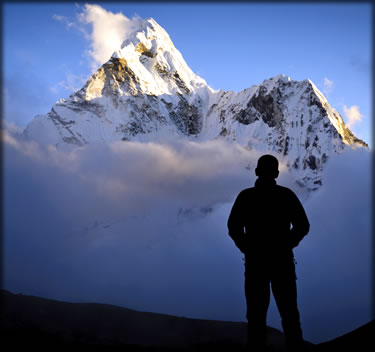
There are many different reasons to take pictures while hiking, observes photography expert and book author Alexandre Buisse, and we should be aware of the ones that really motivate us. While it may be easy to take snapshots when the weather is good, the trail easy, and the camera lightweight, when conditions take a turn for the worse, your motivation will be put to the test.
The strength of your determination to take the best possible image will be key in helping you overcome the challenges that will lie in your way. Or conversely, you may realize that photography is not as important to you as enjoying the view, and you can spend less time worrying about missing that perfect shot.
Enjoy these edited excerpts from Alexandre’s new book, Remote Exposure.
Photos © by Alexandre Buisse.
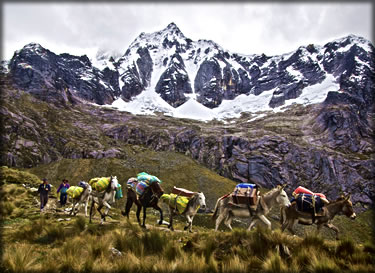
The task at hand, capturing the beauty of remote environments, may appear all but impossible. We are privileged to be allowed access to the wild places of the world and to be offered some of the most beautiful landscapes on Earth. With some effort and enough perseverance, you can master the technicalities of shooting in the mountains and become free to express your personal vision.
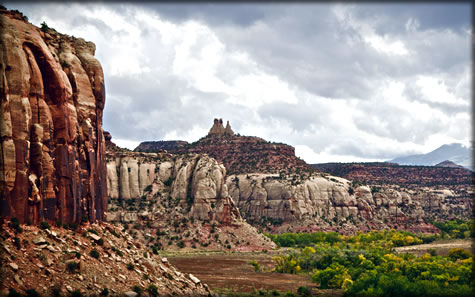

The motivation for mountain and wilderness photography falls into three main categories: Photographs can be purely a witness of your presence at a specific location. The best example is the (mandatory) summit shot, proving that yes, you really stood on top of Everest. It is little different from a passport photo, and other than being sharp and correctly exposed, it requires no creativity from the operator. If this is the type of image that interests you, take the cheapest, lightest camera available and stop reading now.
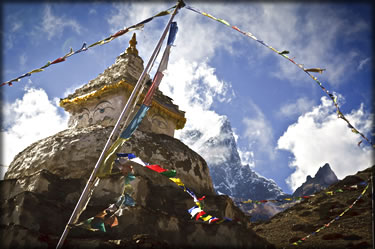
I am sure that at some point in time we’ve all had to endure endless slideshows of someone who just came back from a long trip! My book, Remote Exposure, and some general photography education, will be helpful in making your images more compelling, but much of the advice will probably be overkill for this particular application.
Finally, the third and most relevant motivation is to try to communicate what the trip was really like, and especially, how it made you feel. Maybe the landscapes you saw were so beautiful that you wanted to record and share them with others who were not fortunate enough to accompany you. This is the type of motivation that really interests us here and the only one strong enough to compel you to spend money and effort in carrying equipment to such inconvenient places.

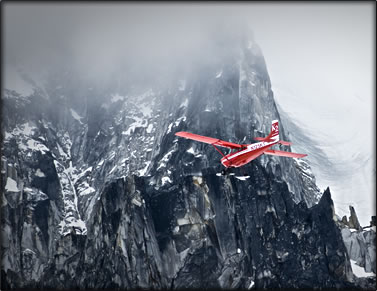
Even if you bought the most expensive equipment and spent years practicing exposure and focus, you could end up with images that are technically sound, but not necessarily interesting or inspiring. The ultimate goal should be to master photography technique and understand your equipment so that using them is second nature, allowing you to focus instead on what really matters: the creation of a compelling, powerful image.
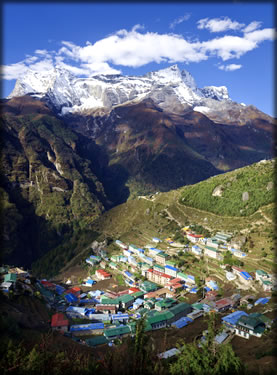
Most great images share a common ingredient. More than luck, raw talent, hard work, experience or equipment, what really makes a difference is that the photographer deeply cared about the image when creating it. There is a message in each timeless photograph. Every time you are about to take a picture, ask yourself how the scene you are photographing makes you feel, and whether the image you are about to create is the best way to express that feeling.

 The rule of thirds affirms that putting the subjects slightly off center makes the image more dynamic.
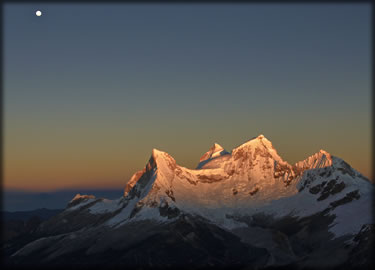 Direct attention toward a subject by using color and light judiciously. Contrasting colors attract the eye.
Strong shapes and lines in a composition, especially triangles and diagonals, are dynamic and direct the eye toward a specific point.
Natural frames (tree branches, arches, etc.) can highlight a subject.
The edges of an image are a sensitive area, and you shouldn’t put anything too prominent in that part of the frame, lest the eye be tempted to wander out of the picture altogether.
Out-of-focus backgrounds are important. Backgrounds should contribute to the story of the photograph but not steal the show. The focus should point to the important parts of the image.
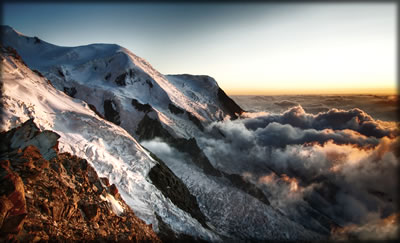 Whenever a subject is moving or looking in a direction, leave plenty of space in the image to allow the viewer to participate. For example, if a hiker is walking toward the right, he should be positioned close to the left edge.
The simpler the composition, the stronger the image. Complexity is distracting. An ideal image has all the elements to understand the story and nothing more.
Remote Exposure: A Guide to Hiking and Climbing Photography
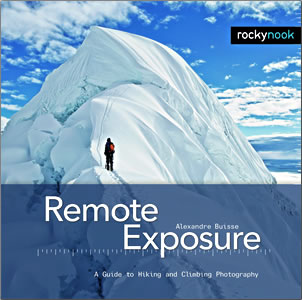 Publisher: Rocky Nook Inc., www.rockynook.com,
ISBN 978-1-993952-65-9, 157 pages, 2011.
Available at local and online bookstores.
Though many hikers carry cameras, they often come away feeling disappointed because their images fail to visually translate their experiences. In Remote Exposure, Alexandre Buisse goes beyond the mere basics of photography and provides the inspiration and tools to compose and create compelling images.
In addition to showcasing 100 stunning images captured by the author as he hiked and climbed through mountains on four continents, this book provides advice on where to point the camera (not as obvious as it sounds!), how to compose strong images, and equipment options to meet changing weather conditions.
Alexandre Buisse was born and raised in Lyon, France where his proximity to the Alps planted the seeds for his love of mountains. He has traveled and climbed in most major mountain ranges, and won many awards in competitions throughout the world for his outdoor photography. www.alexandrebuisse.org.

